September 5, 2026
In the pursuit of maintaining a healthy, safe, and aesthetically pleasing landscape, many homeowners frequently evaluate whether to tackle property maintenance independently or engage commercial tree services. Residential trees provide invaluable ecological and structural benefits, including essential shade, enhanced privacy, improved local air quality, and significant elevation of overall real estate value. However, maintaining the structural integrity and biological health of mature trees involves complex arboricultural principles that far exceed basic lawn mowing or routine garden weeding. High-canopy maintenance, heavy limb removal, soil chemistry analysis, and disease diagnostics present substantial operational challenges for untrained individuals.
1. Evaluating Professional Knowledge and Enhancing Arboricultural Expertise
Professional arborists undergo extensive formal education, specialized technical training, and rigorous industry certification programs to master the complex science of tree care. This comprehensive educational foundation enables them to assess complex biological structures, analyze extensive root system dynamics, and identify subtle indicators of internal trunk decay that remain completely invisible to untrained property owners. Certified specialists possess deep knowledge regarding species-specific growth patterns, subsurface soil chemistry, and local environmental stress factors that influence overall arboreal vitality. Unlike amateur property owners relying on general intuition or superficial online tutorials, certified specialists apply scientifically proven care methods tailored precisely to individual tree species. Their proven ability to deliver accurate biological diagnoses ensures that minor health issues are addressed promptly before escalating into irreversible structural failure or widespread plant mortality.
Managing delicate, highly constrained, or high-risk landscape situations requires extensive practical field experience combined with advanced structural engineering knowledge. Trees growing adjacent to high-voltage overhead power lines, close to residential home foundations, or directly along tight property boundaries present severe spatial and physical execution challenges. Certified arborists evaluate complex weight distribution, wood density, directional canopy lean, and surrounding wind loads to formulate safe, highly effective intervention strategies. They utilize specialized non-destructive diagnostic equipment to evaluate internal trunk decay without causing structural harm to the living tree. By leveraging this sophisticated diagnostic capability, professional teams resolve complex canopy issues efficiently, protecting surrounding structures and ensuring that property owners avoid making catastrophic cutting mistakes that could compromise overall tree stability.
2. Implementing Advanced Safety Protocols and Mitigating Hazards
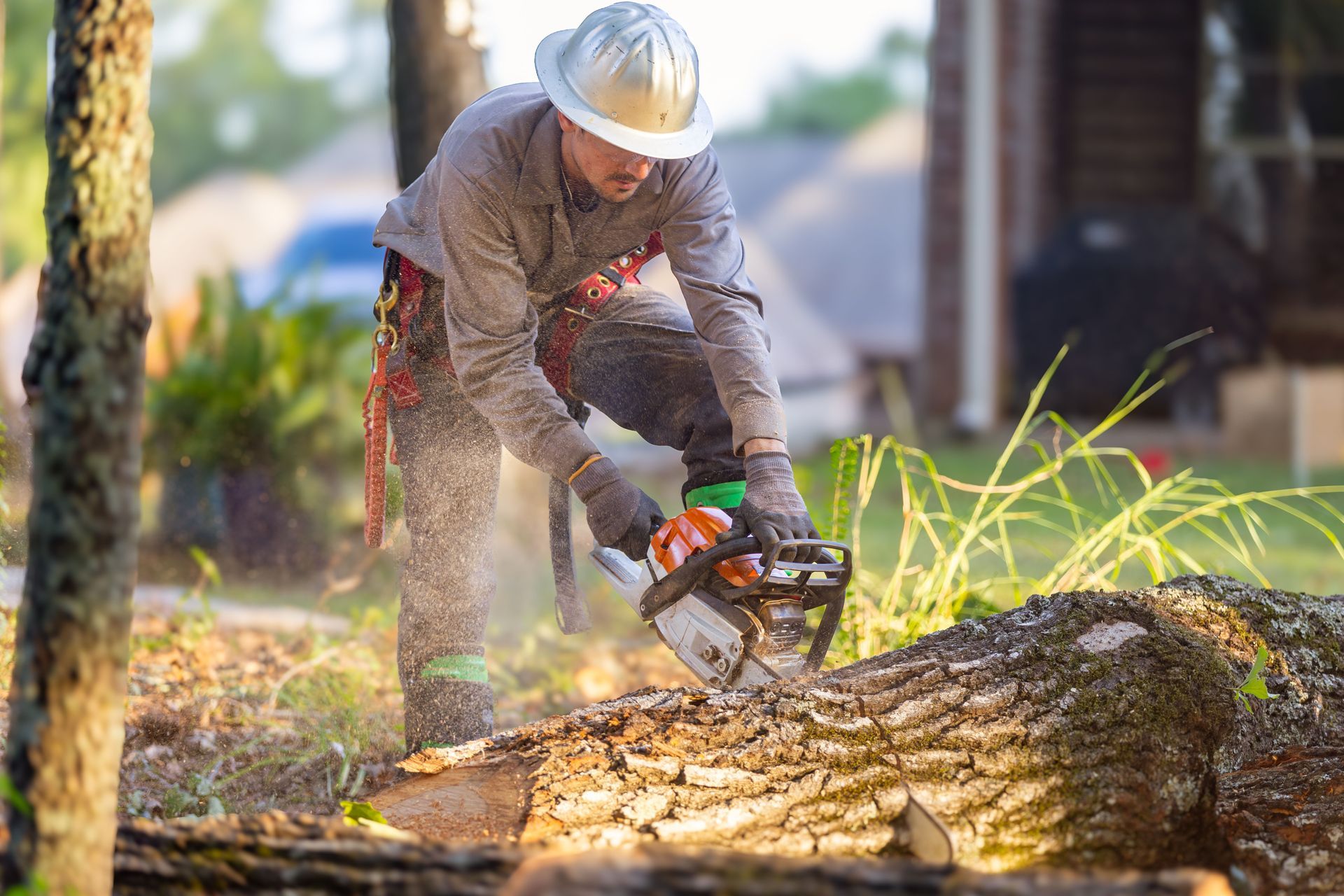
Tree maintenance continuously ranks among the most hazardous home maintenance activities, involving extreme working heights, high-powered cutting equipment, and heavy, unpredictable falling timber. Professional arborists prioritize workplace safety by adhering strictly to established industry safety protocols and utilizing commercial-grade personal protective equipment during every job. Certified crews wear specialized helmets, impact-resistant eye protection, chainsaw-resistant protective chaps, high-visibility apparel, and heavy-duty safety harnesses during all high-canopy operations. Their extensive safety training drastically minimizes the risk of catastrophic personal injury on the job site. By hiring qualified teams, property owners eliminate personal exposure to severe physical danger and avoid working on precarious ladders or operating high-powered chainsaws without proper safety gear.
Preventing severe, costly property damage represents another vital benefit of relying on certified experts for high-canopy maintenance and tree removal. Dropping heavy limbs without professional dynamic rigging techniques can easily destroy residential rooflines, crush parked vehicles, tear down overhead utility cables, or completely ruin underlying landscape design features. Professional teams execute systematic, highly controlled limb drops using advanced dynamic climbing ropes, friction brakes, lowering winches, and specialized rigging blocks. This meticulous operational control ensures that every cut wood section descends safely to the ground within a designated, strictly controlled drop zone, completely protecting surrounding residential structures, nearby vehicles, hardscapes, and adjacent properties from costly accidental damage.
3. Utilizing Specialized Equipment and Heavy Machinery
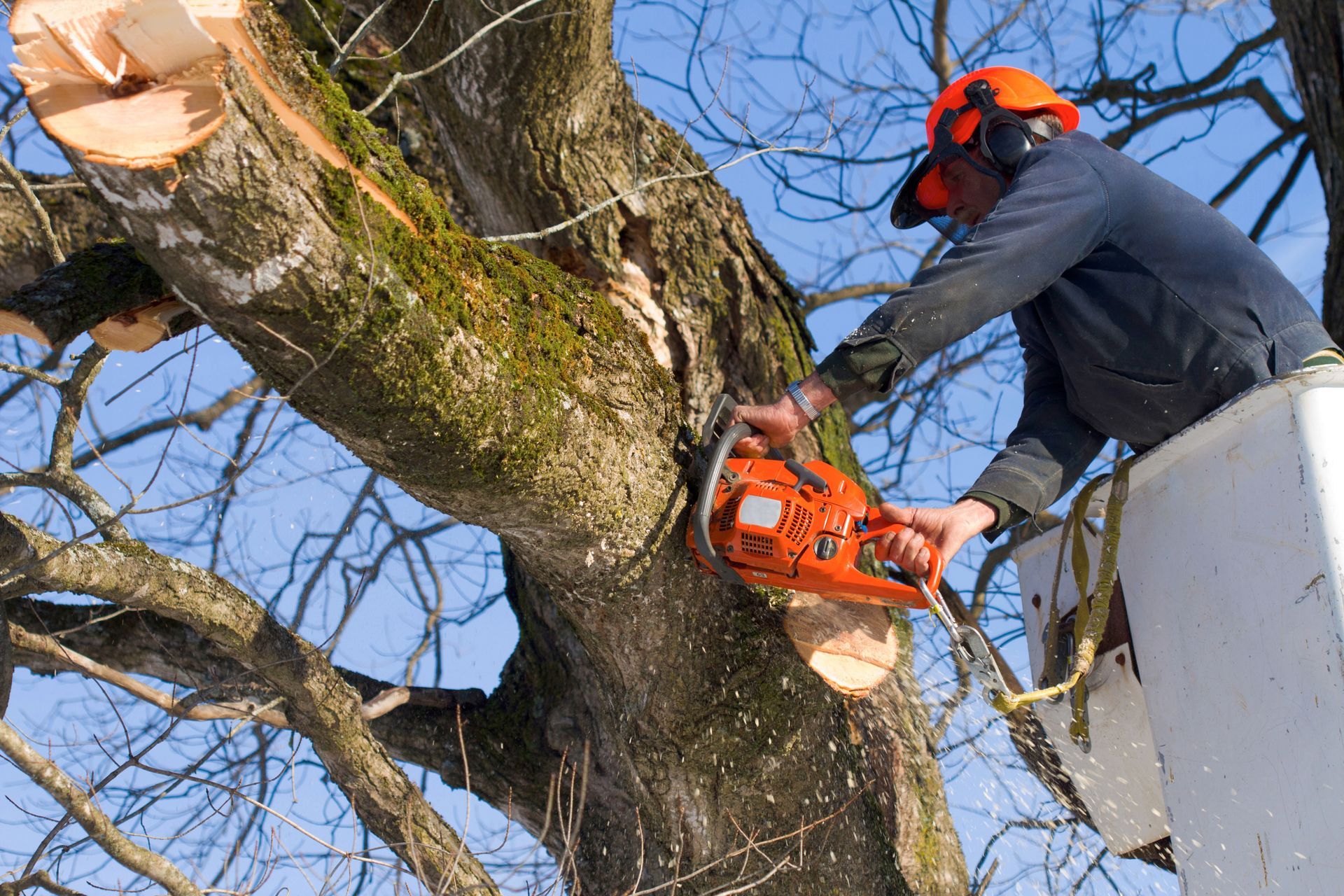
Executing safe, precise, and efficient tree maintenance requires continuous access to specialized industrial equipment that far exceeds standard residential gardening tools or consumer chainsaws. Professional crews utilize heavy-duty aerial bucket trucks, commercial-grade chainsaws, high-reach pneumatic pole saws, hydraulic wood chippers, and specialized climbing systems designed specifically for complex canopy operations. High-quality commercial cutting machinery produces clean, precise cuts that encourage rapid bark callousing and prevent pathogenic disease transmission into living plant tissue. Utilizing professional-grade equipment ensures that all canopy work is completed efficiently, maintaining structural health while providing superior visual results across the entire property.
Accessing dense, high-altitude tree canopies or navigating mature trees situated in extremely tight residential spaces requires specialized aerial access tools and advanced climbing apparatus. Professional arborists utilize advanced ergonomic climbing saddles, friction savers, throw lines, foot ascenders, and articulated bucket trucks to reach difficult canopy areas safely. These specialized access systems allow workers to maneuver through complex branch structures without damaging healthy foliage or risking personal falls. Property owners attempting DIY tree care lack access to these specialized access systems, often resorting to unstable extension ladders or dangerous climbing methods that dramatically increase the probability of severe falling accidents.
4. Maximizing Financial Savings and Avoiding Costly Errors
Investing in regular professional care yields substantial long-term financial benefits by preserving tree health and preventing costly property emergencies before they occur. According to Business Research Insights, tree trimming services make up 40% of the global residential tree services market, highlighting their essential role in preventative property maintenance. Regular structural trimming eliminates weak, diseased, or overextended branches before they fail during major storms, saving property owners thousands of dollars in potential emergency removal fees and structural repair costs. Furthermore, healthy, well-maintained trees significantly enhance overall real estate appraisal values, making routine professional care an extremely wise financial investment for property owners.
Amateur do-it-yourself trimming frequently results in severe biological damage, such as flush cutting, topping, over-pruning, or bark stripping, which destabilizes tree health and causes premature botanical decline. Correcting improper pruning mistakes requires expensive remedial treatments or total tree removal, turning a supposed DIY savings opportunity into a substantial financial burden for the property owner. Certified arborists prevent these costly errors by applying precise, biologically appropriate pruning standards that support natural branch architecture and long-term vitality. Entrusting canopy maintenance to certified specialists guarantees that every cutting action contributes positively to long-term tree health, protecting property owners from unexpected financial losses.
5. Fostering Tree Health and Environmental Adaptability
Maintaining optimal tree vitality requires a sophisticated, comprehensive understanding of plant pathology, nutrient dynamics, soil biology, and seasonal growth cycles. Certified arborists utilize precise pruning techniques designed to remove dead, decaying, or insect-infested wood without harming adjacent healthy living tissues. Proper canopy thinning improves interior air circulation and sunlight penetration, which drastically reduces humidity levels within the canopy and suppresses dangerous fungal disease development. By applying scientifically sound pruning principles, professional care fosters robust structural growth, enhances root system development, and strengthens natural defense mechanisms against challenging environmental stressors throughout the entire year.
Early identification and effective management of destructive plant diseases and insect infestations are essential for preserving mature landscape trees over long periods. Certified arborists excel at diagnosing fungal pathogens, bacterial infections, parasitic wood borers, and foliage-eating insect infestations before visible symptoms become severe. They implement targeted, environmentally responsible treatment protocols, such as micro-trunk injection systems or specialized soil drenches, to eliminate pests while minimizing impact on non-target beneficial organisms. Unmanaged pest infestations can quickly spread across an entire residential landscape, causing severe canopy dieback and tree death. Professional disease management safeguards urban trees from destructive biological threats.
Relying on experienced professionals ensures that residential landscapes receive comprehensive, long-term care tailored to specific botanical requirements. From precision canopy pruning and advanced disease diagnostics to emergency storm response and full stump extraction, certified specialists handle every aspect of tree maintenance with exceptional safety, technical precision, and efficiency. Protecting landscape health, property aesthetics, and structural security requires dedicated expertise and commercial-grade equipment. For more information about the services that we offer, reach out to our incredible team at Flores Tree Service & Landscaping Inc. today!