May 11, 2026
A lush, tree-lined property is the hallmark of a beautiful home, but beneath the surface, a silent tug-of-war may be occurring. While trees provide shade and curb appeal, their powerful root systems and expansive canopies can significantly impact the structural integrity of your house. Understanding the "math" between tree growth, soil moisture, and your foundation is the difference between a thriving landscape and a costly repair bill.
Assessing Tree Placement and Growth Impact
Tree root systems are complex networks that seek nutrients and moisture, often extending far beyond the tree's canopy. These roots can cause damage when they intersect with foundations, leading to structural issues over time. Professional tree services provide insights into how different species' root systems behave and their potential for causing harm. By understanding the types of roots—such as taproots and lateral roots—professionals can predict their growth patterns. Preventive care centered around this understanding can significantly reduce the threat to foundation integrity, ensuring tree health without compromising structural safety.
Not all trees pose equal risks to foundations; much depends on the species and growth habits. Some trees, such as willows and poplars, are notorious for aggressive root invasions due to their immense water needs. A professional evaluation of tree species helps determine the extent of potential interaction with building foundations. Information on species-specific root behaviors allows homeowners to make informed decisions about which trees should be pruned, relocated, or removed. Professional advice is invaluable in managing these risks effectively, marrying landscaping aesthetics with safety concerns.
Tree roots significantly impact soil composition and stability, leading to shifts that may affect building foundations. As roots draw moisture from soil, they can induce subsidence, especially in clay-rich areas. A tree service professional assesses this potential by understanding local soil conditions and the hydrologic influence of different tree types. Such assessments are integral to forestalling foundation movement or cracking that might result from uneven soil displacement. Long-term soil stability can be achieved by preemptive consultations with experts who track the math between tree root growth, soil moisture, and structural integrity.
While root systems receive much attention, the tree canopy also plays a crucial role in influencing foundations. A dense canopy can significantly alter the microclimate around a property by reducing sunlight and altering wind patterns. This can lead to increased moisture accumulation near the foundation, potentially causing problems like seepage or waterlogging. Proper management of the tree canopy through informed pruning practices can mitigate these risks. Professional assessment ensures that the canopy contributes positively to the landscape without facilitating adverse effects on the building foundation.
Implementing Preventive Measures
Strategic tree pruning serves as a proactive measure to minimize the impact trees may have on home foundations. By selectively removing branches and reducing canopy density, pruning optimizes tree health and minimizes root expansion pressures. Professional tree services ensure this is done without harming the tree, employing techniques that stimulate healthy growth and prevent overextension of root systems. Pruning also helps in maintaining the aesthetic value of the landscape, which can contribute to increased property values. Regular, expert-performed pruning supports foundational integrity and fosters an environmentally sustainable property.
Root barriers are an effective solution to prevent invasive roots from encroaching on building foundations. These barriers are designed to redirect root growth away from structures without damaging the tree. Installation is best managed by professionals who understand root behavior and the most effective barrier designs for specific situations. Root barriers provide peace of mind by ensuring trees stay a safe distance from foundations. Implementing such barriers not only protects the home but also maintains the landscape's aesthetic appeal, important for maintaining or boosting property value.
Soil stabilization techniques play a significant role in maintaining a stable foundation against root-induced movements. Methods like applying lime or cement mixtures to enhance soil strength benefit surrounding areas where root activity might disrupt the ground's integrity. Professional tree services often collaborate with soil engineers to determine and apply the best stabilization techniques for specific types of soil and tree species. Such interventions ensure that the foundation remains stable, protecting the structure from potential root-related disturbances. These techniques also contribute to a more consistent moisture balance in the soil, crucial for both tree and building health.
Developing a regular maintenance plan is key to preventing tree-related foundation issues. These plans typically include scheduled evaluations, pruning sessions, and, if necessary, root or soil interventions. Professional tree services are adept at creating customized maintenance strategies that consider the unique characteristics of each landscape and building environment. Such plans help prolong the life of both trees and structural foundations, preserving the investment in property appearance and value. A well-maintained garden enhances curb appeal, adding to property values, which can increase by as much as 15% to 20% when landscaping investments are well executed, according to Redfin.
Tree Removal When Necessary
In certain cases, tree removal becomes necessary to protect foundations from harm. Identifying such a situation requires professional insight to assess the extent of root spread and its ongoing impact on the home. Professionals consider factors such as the proximity of the tree to the structure, signs of visible damage, and projected impact over time. Understanding these elements helps determine when removal is justified for the safety of the building. This decision must balance the tree's ecological and aesthetic value against the practical need to safeguard the property.
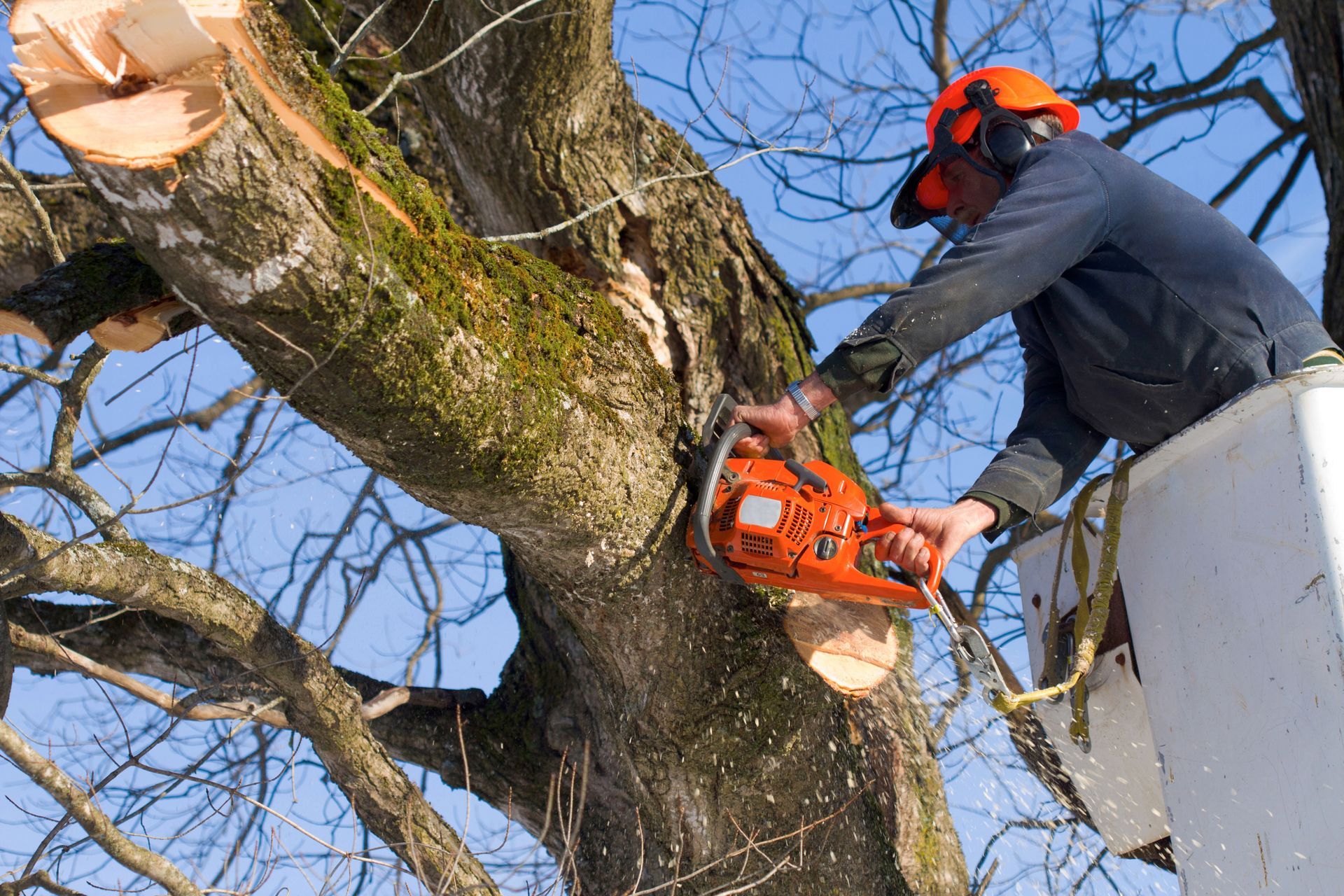
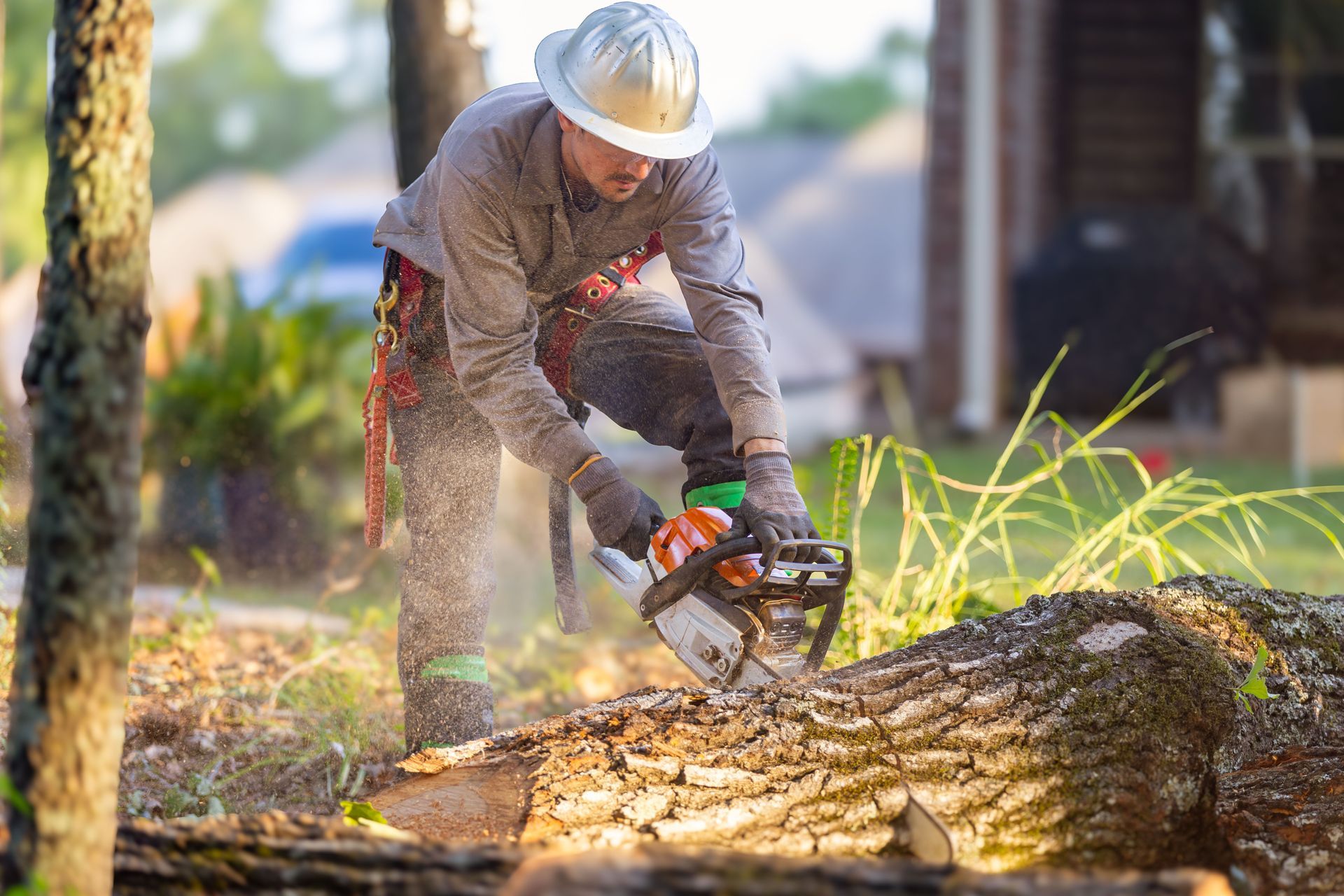
When a tree threatens a structure, executing a safe removal process is paramount. Certified professionals handle all aspects, from identifying risks to employing the correct techniques for dismantling and extraction. They ensure safety by foreseeing and managing risks such as falling debris and structural impact. The process respects local regulations and minimizes environmental harm, thus protecting both property and the surrounding landscape. Proper removal helps prevent future foundation issues that could arise from unmanaged root decay or soil destabilization post-removal.
Post-removal landscaping is essential to restore aesthetic value and prevent new problems from arising. After tree removal, the focus must shift to soil restoration and landscape renewal, such as planting ground covers or appropriate shrubbery. These actions prevent erosion and help maintain the visual appeal of the property. Consulting with professionals ensures the selection of suitable replacements that provide ecological benefits without posing further risks to the foundation. Decorative landscaping also boosts property value, making it a worthwhile investment following the necessary removal of problematic trees.
Tree removal is subject to legal and environmental considerations that homeowners must navigate carefully. Local ordinances might govern which trees can be removed, especially in cases involving protected species. Non-compliance can result in hefty fines or legal disputes, emphasizing the need for knowledgeable consultation before proceeding. A professional tree service provides guidance through these regulations, ensuring that removal practices comply with all necessary legal frameworks. This compliance protects homeowners from legal issues and helps mitigate potential environmental impacts, striking a balance between property safety and ecological responsibility.
Don’t wait for cracks to appear in your foundation to check on your trees. Trust the certified experts at Flores Tree Service & Landscaping Inc. to provide the professional insight you need to keep your home safe and your landscape stunning. From structural pruning to specialized root management and safe tree removal, we bring the experience and equipment to handle every challenge. Call today!